Big Bend RV Camping and Hookups: Rio Grande Village, Chisos Limits
In this guide
- The four campgrounds
- Rio Grande Village: the hookup lot and the campground
- Chisos Basin: 24 feet, 20 feet, 15 percent
- Cottonwood: quiet, dry, closed in summer
- Rules that apply everywhere
- Heat: the calendar that decides the campground
- Which campground for which rig
- Mistakes to avoid
- When to go and how long
- Gear that helps at Big Bend
Big Bend has exactly 25 hookup sites, all at the concession-run Rio Grande Village RV Park, with a 38-foot ceiling, full water-electric-sewer service and a phone-only booking line. Everything else is dry: the 100-site Rio Grande Village Campground next door (with pull-throughs that fit a 40-foot motorhome), the 60-site Chisos Basin Campground at 5,400 feet (24-foot motorhome and 20-foot trailer limit, enforced), and 30-site Cottonwood in the west (no generators, no dump, closed in summer). If you want air conditioning between April and October, the RV park is the only option in the park. If you can dry camp, November through April puts every campground on the table at $16 a night.
Distances are the other planning fact. Panther Junction, the park headquarters, is 70 miles from Marathon and 26 from Study Butte; Rio Grande Village is 21 miles further and 2,000 feet lower. Gas and diesel are sold at Panther Junction and Rio Grande Village, propane only at Rio Grande Village. Figures below come from the NPS camping page (updated July 20, 2026), the campground regulations, the fees page, the paved roads page and Recreation.gov, read in October 2026. Confirm reservation windows and the RV park rate before you commit.
The four campgrounds
| Campground | Elevation | Sites | RV limit | Hookups | Dump | Generators | Fee | Booking |
|---|---|---|---|---|---|---|---|---|
| Rio Grande Village RV Park (Aramark) | 1,850 ft | 25, back-in | 38 ft (some sites less) | Full: water, 30/50 amp, 3-in sewer | Yes | Not stated | ~$36 (confirm) | Phone 855-765-1324 |
| Rio Grande Village Campground (NPS) | 1,850 ft | 100 | Pull-throughs to 40 ft; sites rated 10–70 ft | None | Yes, at entrance | Zones; 8–11 am and 5–8 pm Nov–Apr; 8 am–8 pm May–Oct | $16 | Rec.gov; 6 mo + 2 wk |
| Chisos Basin (NPS) | 5,400 ft | 60 | 24 ft RV / 20 ft trailer | None | Yes (awkward) | Designated areas; 8–11 am and 5–8 pm | $16 | Rec.gov; 6 mo + 2 wk |
| Cottonwood (NPS) | 1,900 ft | 30 + 1 group | “All but the largest”; 28–30 ft listed | None | None | Prohibited | $16 | Rec.gov; 14 days; closed May 1–Oct 31 |
Sources: NPS camping, regulations and fees pages, NPS campground data, Recreation.gov, October 2026. Senior and Access pass holders pay $8 at NPS campgrounds. Group campgrounds at Chisos Basin and Rio Grande Village are tent-only except one site each that allows a single camper under 20 feet.
Rio Grande Village: the hookup lot and the campground
The RV Park is an open paved lot with grassy, tree-lined edges beside the Rio Grande Village store, which has coin showers, laundry, gas, diesel and propane. The NPS describes 25 full-hookup back-in sites with a 3-inch sewer connection and 30/50-amp power, a 38-foot maximum, and says that periodically a few sites cannot take 38 feet or longer because of the lot’s orientation. No tents. The Chisos Mountains Lodge page lists the front desk at 855-765-1324, 9 am to 6 pm, cancellations by 4 pm on arrival day, pets allowed, and “small improvement projects” during spring and summer 2026. The NPS data lists $36 for two people plus $3 per additional person, but the operator’s page shows no rate, so treat that as a historical figure and ask. This is the only place in the park where a rig can run its air conditioner all night, which is the whole reason it exists; the parkwide list of national park campgrounds with hookups shows how rare that is.
The NPS campground next door is the big-rig choice if you can dry camp. Recreation.gov lists 100 sites in a grove of cottonwoods and acacias, with pull-throughs that fit a 40-foot motorhome and maximum vehicle lengths per site from 10 to 70 feet: 25 sites at 35 feet, 22 at 30, 13 at 40, 10 at 45 and 11 at 50. The listing warns that low-hanging branches persist and not all sites suit tall or long rigs, so read each site’s description. There are no hookups, but a fill-and-dump station sits at the campground entrance, flush toilets and utility sinks are within walking distance, and each site has a picnic table, charcoal grill and bear-proof locker. Generator rules are by zone: many sites are in a no-generator zone, and in the others the hours are 8 to 11 am and 5 to 8 pm from November 1 to April 30, expanding to 8 am to 8 pm from May 1 to October 31 when the heat makes air conditioning a safety issue.
Reservations are required year-round with no first-come sites. Most sites open six months ahead; sites 14, 20 to 25, 34, 61 to 65, 67 to 70, 72, 74 to 75 and 87 to 100 open two weeks ahead. Check-in is any time after 1 pm with no formal procedure; the site is marked. A camper who arrives the day after the reservation starts is a no-show and may lose the entire booking, so call 432-477-2251 if you are running late. The campground operates at reduced capacity in summer; the NPS data we found gave 2021 figures (17 sites six months ahead, seven at two weeks) and we could not confirm the 2026 summer count.
Chisos Basin: 24 feet, 20 feet, 15 percent
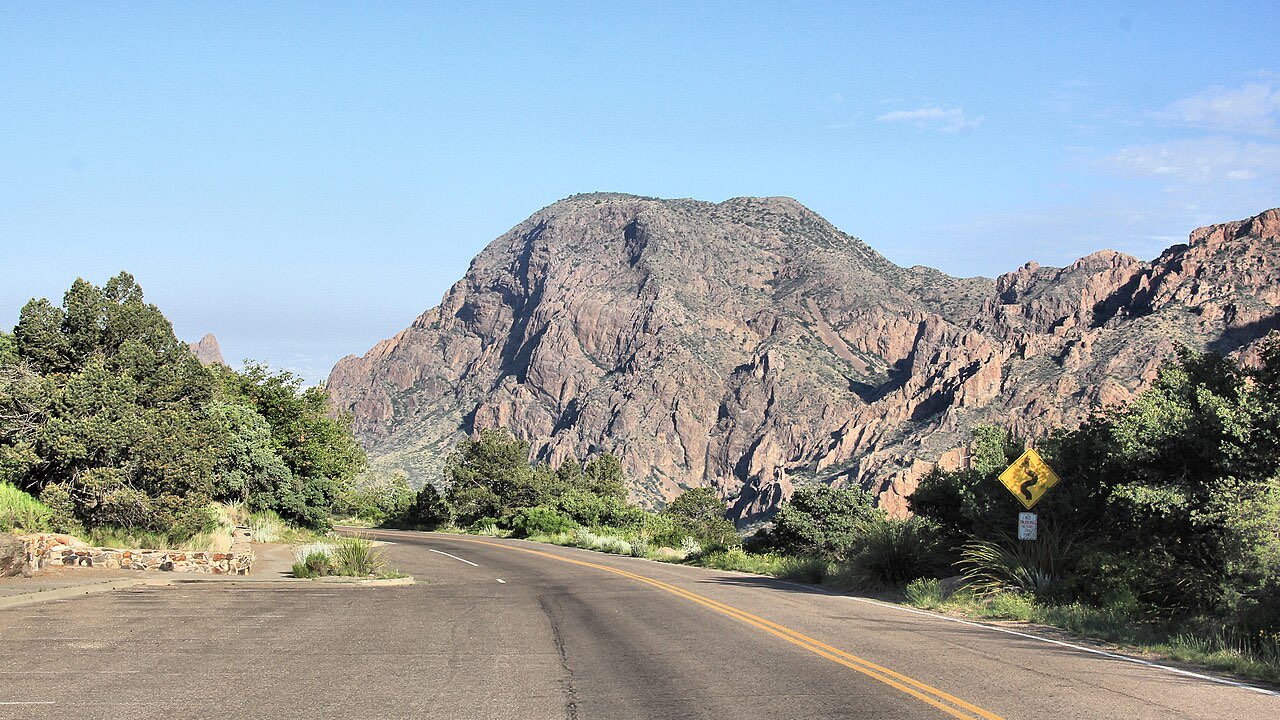
Chisos Basin Road is 6 miles with grades up to 15 percent and sharp hairpin turns, per the NPS paved roads page. The NPS campground page says trailers over 20 feet and RVs over 24 feet are not recommended because of the road and the small, unlevel campsites; the Recreation.gov listing goes further and states that the vehicle restriction for the road and campground is 24 feet for motorhomes and 20 feet for travel trailers, and that larger rigs “will not be accommodated.” Those are the figures to plan on. Do not round them up, and do not test the road with a 26-foot Class C on the theory that two feet will not matter; the sites at the top are rated 24, 20 and 15 feet, and there is no overflow.
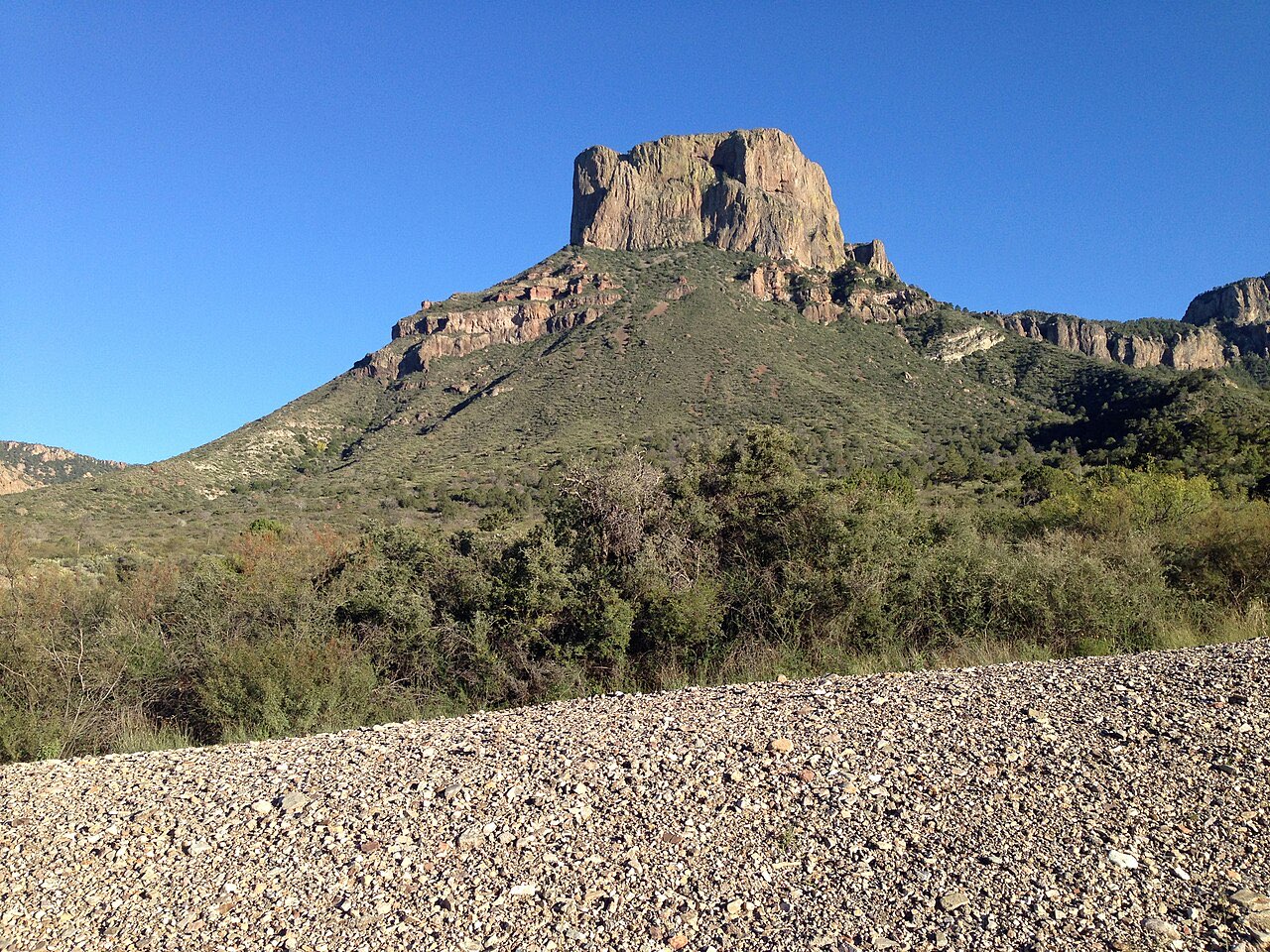
Inside the limit, the Basin is the park’s most-wanted campground: 60 sites at 5,400 feet, 24 back-in, 19 parallel and 19 pull-through, rocky and not level, each with a table, charcoal grill and bear box, some with shade shelters. Recreation.gov calls most of them better suited to tents than RVs. A dump station exists but sits on the right side of the road, opposite most RV outlets, so bring extra sewer hose; the listing recommends dumping at Rio Grande Village instead. Generators run only in designated areas 8 to 11 am and 5 to 8 pm, and every generator-permitted site is reservable, so if you need one, book one. Two-thirds of sites open six months ahead and the rest (8 to 10, 12 to 15, 31, 37, 48 to 60) two weeks ahead. The NPS warned in January 2026 that two large construction projects in the Basin would begin in spring 2026 and run about two years with visitor disruptions; the October 2026 conditions page listed the lodge restaurant closed with a food truck in its place, but no campground or road closure. Check the alerts page before relying on the Basin.
For a trailer over 20 feet the practical plan is to camp at Rio Grande Village, unhitch, and drive the 21 miles plus the Basin road in the truck for a day of hiking from the Basin trailheads. The road itself is a good reason to know your rig’s braking behavior on long descents; our sister site’s towing capacity vs payload guide covers the weight math that a 15 percent grade exposes.
Cottonwood: quiet, dry, closed in summer
Cottonwood sits at 1,900 feet in the southwest corner near Castolon and Santa Elena Canyon, at the end of the 30-mile Ross Maxwell Scenic Drive. Thirty individual sites plus a walk-in group site, vault toilets, potable water, bear boxes and shade. No hookups, no fill or dump station, and no generators and no engine idling. The NPS says the sites fit all but the largest RVs and trailers; Recreation.gov lists only five sites with a stated RV length, at 28 to 30 feet, and the rest unspecified, so this is a 30-foot-and-under campground in practice. It is closed May 1 to October 31 (reopening November 1, 2026) and runs on a strict 14-day reservation window, which makes it the one campground a late planner can reliably get in high season. The October 2026 conditions page also listed the paved road from Cottonwood to Santa Elena Canyon closed by weather; that road floods, so check before planning the canyon walk.
Rules that apply everywhere
- Fires: no wood or ground fires anywhere in the park, including pressed logs and wood chips. Charcoal in the raised grills and liquid-fuel stoves are fine; pack out ashes.
- Capacity: eight people and either one RV with a tow vehicle and one tent, or two vehicles and up to four tents. Two RVs or vans need two sites.
- Stay limits: 14 consecutive nights, 28 nights per calendar year parkwide, and only 14 total nights from January 1 to April 15.
- Wildlife: bears, javelinas and bobcats. All food, coolers and scented items go in the vehicle or the locker; javelinas will open a tent for a granola bar. Cattle cross the river at Rio Grande Village and are to be treated as wildlife.
- Quiet hours: 10 pm to 6 am.
- No dispersed camping or boondocking. Backcountry roadside sites require a permit and, as of October 2026, were issued in person only at Panther Junction.
Heat: the calendar that decides the campground
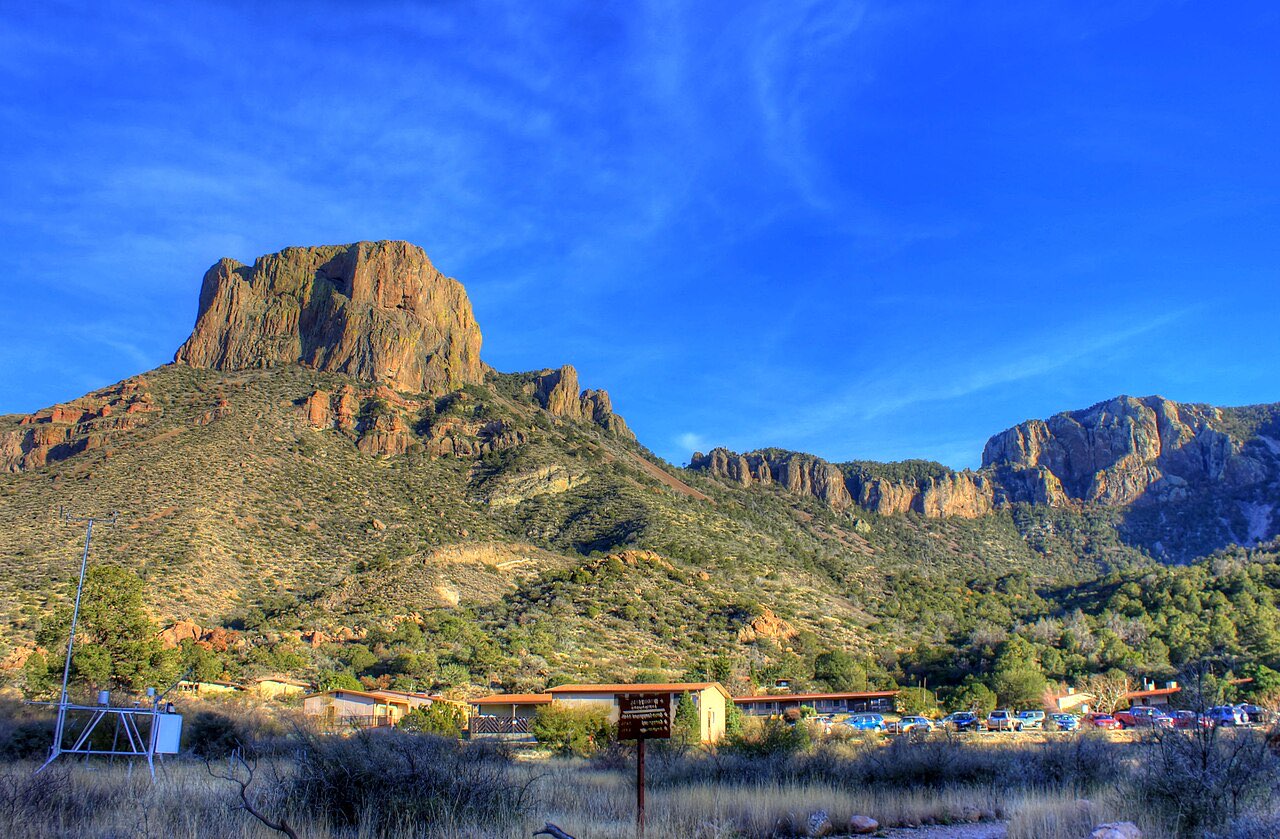
The NPS campground data describes Rio Grande Village winters (November through March) as warm and pleasant with highs in the mid-70s to low 80s, and April through September as extremely hot with daily highs exceeding 100 to 107 degrees. Cottonwood normally tops 100 from mid-March through August. Chisos Basin, 3,500 feet higher, is cooler by design and is the only NPS campground the park describes as offering mild temperatures. The practical reading:
- November to March: every campground open, full capacity, comfortable nights. Book six months out for holiday weeks; Cottonwood’s 14-day window is the safety valve.
- April and October: hot afternoons at the river campgrounds, fine in the Basin. Dry camping is workable with shade shelters and a fan.
- May to September: Rio Grande Village runs at reduced capacity, Cottonwood is closed, and generator hours at the river extend to 8 am to 8 pm for a reason. The RV park’s full hookups are the only all-night air conditioning in the park. Carry a gallon of water per person per day minimum and do not plan low-elevation hikes after mid-morning.
A rig with 50-amp service and two air conditioners will be fine at the RV park in July; a 30-amp trailer with one unit will struggle at 107 degrees. If that trade-off is new, our sister site’s 30-amp vs 50-amp guide explains what each can run. Death Valley has the same seasonal logic with the same answer: hookups or winter.
Which campground for which rig
| Rig | Best fit | Why |
|---|---|---|
| Class A or fifth wheel to 38 ft, wants power | Rio Grande Village RV Park | Only hookups; sewer at the site; showers and laundry next door |
| 35-45 ft combined, dry camping, winter | Rio Grande Village Campground 40-50 ft sites | Pull-throughs; dump at entrance; generator zone if needed |
| Class C or trailer under 24 / 20 ft | Chisos Basin | Cool, central, trailheads; book the six-month wave |
| Trailer 25-30 ft, quiet | Cottonwood (Nov-Apr) | No generators, 14-day window; no dump, so arrive empty |
| Summer visit of any kind | Rio Grande Village RV Park, or stay outside the park | Heat; reduced capacity elsewhere |
| Over 38 ft | Rio Grande Village Campground (dry) or Study Butte / Terlingua private parks | RV park cannot fit you |
Mistakes to avoid
- Taking a 25-foot trailer up Chisos Basin Road. The limit is 20 feet for trailers and 24 for motorhomes, and Recreation.gov says you will not be accommodated.
- Arriving at Cottonwood with full tanks and no plan. No dump station; the nearest is Rio Grande Village, roughly 80 road miles away via Panther Junction.
- Booking a no-generator site in July. Read the zone on each Rio Grande Village site.
- Showing up without a reservation. There is no first-come camping anywhere in the park.
- Bringing firewood. Wood fires are banned parkwide, every season.
- Assuming the RV park rate online. The operator posts no price; the $36 figure is undated.
- Planning Boquillas or Santa Elena roads without checking alerts. Both corridors had weather closures in October 2026.
When to go and how long
November through March, with the first two weeks of January and the Thanksgiving and spring-break weeks hardest to book. Five nights is a fair visit given the distances: two at Rio Grande Village for Boquillas Canyon, the hot springs and the river, two in the Basin (or day trips up from the river if the rig is too long), one at Cottonwood for Santa Elena Canyon and the Ross Maxwell drive. Fill water and dump at Rio Grande Village before heading west, because Cottonwood has neither. The $30 entrance fee is covered by the America the Beautiful pass, and Big Bend’s 25 hookup sites make it one of the few desert parks where a big coach can sit out a hot week; the broader national park RV size limits table shows how its 38-foot and 24-foot figures compare.
Gear that helps at Big Bend
Picks for the conditions described above, from established brands; check each listing for current specs before you buy.
As an Amazon Associate we earn from qualifying purchases.
 RVRVHOMM 30 amp RV surge protector: For the full-hookup sites at Rio Grande Village RV Park, the only hookups in the park.$47.99Price as of November 16, 2026, 9:59 AM ET. Prices and availability are accurate as of the date/time indicated and are subject to change.
- VTOMAN Jump 600X portable power station: Every NPS campground outside Rio Grande Village RV Park is dry camping; a power station handles small loads quietly.
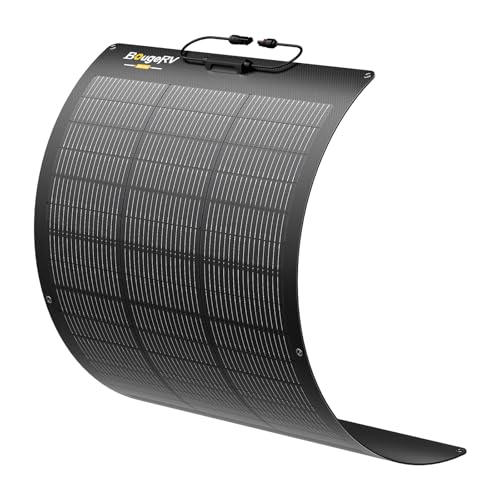 BougeRV Arch Pro 100W flexible solar panel: Winter is dry-camping season at Big Bend and the sun is strong; a flexible panel keeps a battery bank or power station charged.$169.99Price as of November 16, 2026, 9:59 AM ET. Prices and availability are accurate as of the date/time indicated and are subject to change.
Frequently asked questions
Does Big Bend National Park have RV hookups?
Yes, at one place: the Rio Grande Village RV Park, a 25-site, back-in-only lot run by the concessioner Aramark next to the Rio Grande Village store. The NPS lists full hookups (water, 30/50-amp electric and a 3-inch sewer connection) and a 38-foot maximum, with a few sites unavailable to rigs of 38 feet or longer. Tents are not allowed. Book by phone at 855-765-1324. The three NPS campgrounds have no hookups.
Can an RV drive up to the Chisos Basin?
Small ones. The NPS says Chisos Basin Road, 6 miles with grades up to 15 percent, is not recommended for trailers over 20 feet or RVs over 24 feet, and the Recreation.gov listing for the campground states that rigs over those lengths will not be accommodated. Campsites there are small, rocky and unlevel; Recreation.gov rates 44 of them at 24 feet, 10 at 20 and 8 at 15. Leave anything bigger at Rio Grande Village and drive up in the tow vehicle.
How much does camping cost in Big Bend?
Sixteen dollars a night at Chisos Basin, Rio Grande Village and Cottonwood ($8 with a Senior or Access pass), per the NPS fees page. The concession RV park was listed at $36 for two people plus $3 per extra person in NPS data, but the operator's page shows no current rate, so confirm when you call. Entrance is $30 per vehicle for seven days.
Do I need reservations for Big Bend campgrounds?
Yes, for all three NPS campgrounds; there is no first-come camping. At Chisos Basin and Rio Grande Village about two-thirds of sites open six months ahead on Recreation.gov and the rest two weeks ahead. Cottonwood is entirely on a 14-day window and is closed May 1 to October 31. Rio Grande Village runs at reduced capacity in summer, and the RV park books by phone.
When is it too hot to RV camp in Big Bend?
The NPS describes Rio Grande Village (1,850 feet) as extremely hot from April through September with daily highs of 100 to 107 degrees and more, and Cottonwood normally over 100 from mid-March through August. Chisos Basin at 5,400 feet is milder. Prime season is November 1 to April 30, when Rio Grande Village is at full capacity and Cottonwood is open. A hookup site with air conditioning is the only comfortable way to camp low in the park from May to September.
What are the generator rules in Big Bend?
Chisos Basin allows generators in designated areas 8 to 11 am and 5 to 8 pm. Rio Grande Village has generator and no-generator zones; from November 1 to April 30 the hours are 8 to 11 am and 5 to 8 pm, and from May 1 to October 31 they extend to 8 am to 8 pm. Cottonwood bans generators entirely, and idling an engine for power counts as running a generator everywhere. Quiet hours are 10 pm to 6 am.
Keep planning
- Acadia RV Camping Including Schoodic Woods
Acadia RV camping: Blackwoods and Seawall's 35-foot sites, Schoodic Woods' electric loop for rigs to 70 feet, Park Loop Road bridge heights and the Cadillac rule.
Updated Oct 2026 - Arches and Moab RV Camping: Where Rigs Actually Fit
Arches and Moab RV camping: Devils Garden's per-site limits up to 40 feet, no timed entry in 2026, $20 BLM campgrounds, Dead Horse Point hookups and where to dump.
Updated Oct 2026 - Assateague Island RV Camping: National vs State Park
Assateague Island RV camping: NPS Oceanside and Bayside sites vs the state park's 30-amp loops, the Virginia side's no-camping rule, fees and OSV closures.
Updated Oct 2026