Bryce Canyon RV Camping and Size Limits
In this guide
- North versus Sunset at a glance
- North Campground: Loop A is where the long rigs go
- Sunset Campground: closer to the trails, shorter sites, short notice
- Fees, booking windows and the rules that get enforced
- The 23-foot rule and how to see the park from camp
- Ruby’s Inn RV Park: the hookups outside the gate
- Getting there: routes, distances, and the Red Canyon tunnels
- Who should camp where
- Mistakes to avoid
Bryce Canyon fits more RVs than its reputation suggests, with one condition: you must book one of the three loops that allow them, North Campground Loops A and B or Sunset Loop A, and the longest driveways are almost all in North Loop A. There are no hookups anywhere in the park, there is a free dump station and potable water from mid-May to mid-October, and the whole place sits at 8,000 feet, so nights are cold even in July. During shuttle season a vehicle 23 feet or longer cannot park at the main amphitheater viewpoints, which turns the free shuttle from a convenience into the plan.
Two things outside the gate matter as much as anything inside it. Ruby’s Inn RV Park, half a mile from the entrance with 240-plus sites and full hookups, is where big rigs with power needs end up. And the two Red Canyon rock tunnels on Scenic Byway 12, the route in from US-89, have a clearance the state does not publish in an easily findable place; we lay out what we could and could not confirm below. All figures are from the National Park Service, Recreation.gov and Utah agencies as of October 28, 2026.
North versus Sunset at a glance
| North Campground | Sunset Campground | |
|---|---|---|
| Location | Across from the visitor center, 1 mile inside the gate | 1.5 miles from the visitor center, near Sunset Point |
| Season | Year-round (Loop A all year; Loop B opened March 25, 2026) | Closed October 12 to April 14 (weather dependent); Loop A opened March 25, 2026 |
| Sites | 98 (51 RV, 47 tent-only) | 101 (47 RV, 52 tent-only, 1 group) |
| RV loops | A and B | A only |
| Per-site max length | Loop A 20–99 ft (most 30 ft and up); Loop B 18–70 ft | Loop A 20–30 ft (24 sites at 20 ft, 3 at 30 ft) |
| Spurs | Paved in A and B, gravel in C and D; 51 pull-throughs | Gravel; 1 pull-through |
| Booking | Reservation-only, 6 months ahead | Reservation-only, 14 days ahead (2026) |
| Price (2026) | $30 | $30 |
| Dump station | On site (south side), mid-May to mid-October, free for campers | Use North’s |
| Generators | Loops A and B, 8–10 a.m. and 6–8 p.m. | Loop A, same hours |
Sources: the park’s campgrounds page and campground regulations, plus the Recreation.gov facility data for North and Sunset.
North Campground: Loop A is where the long rigs go
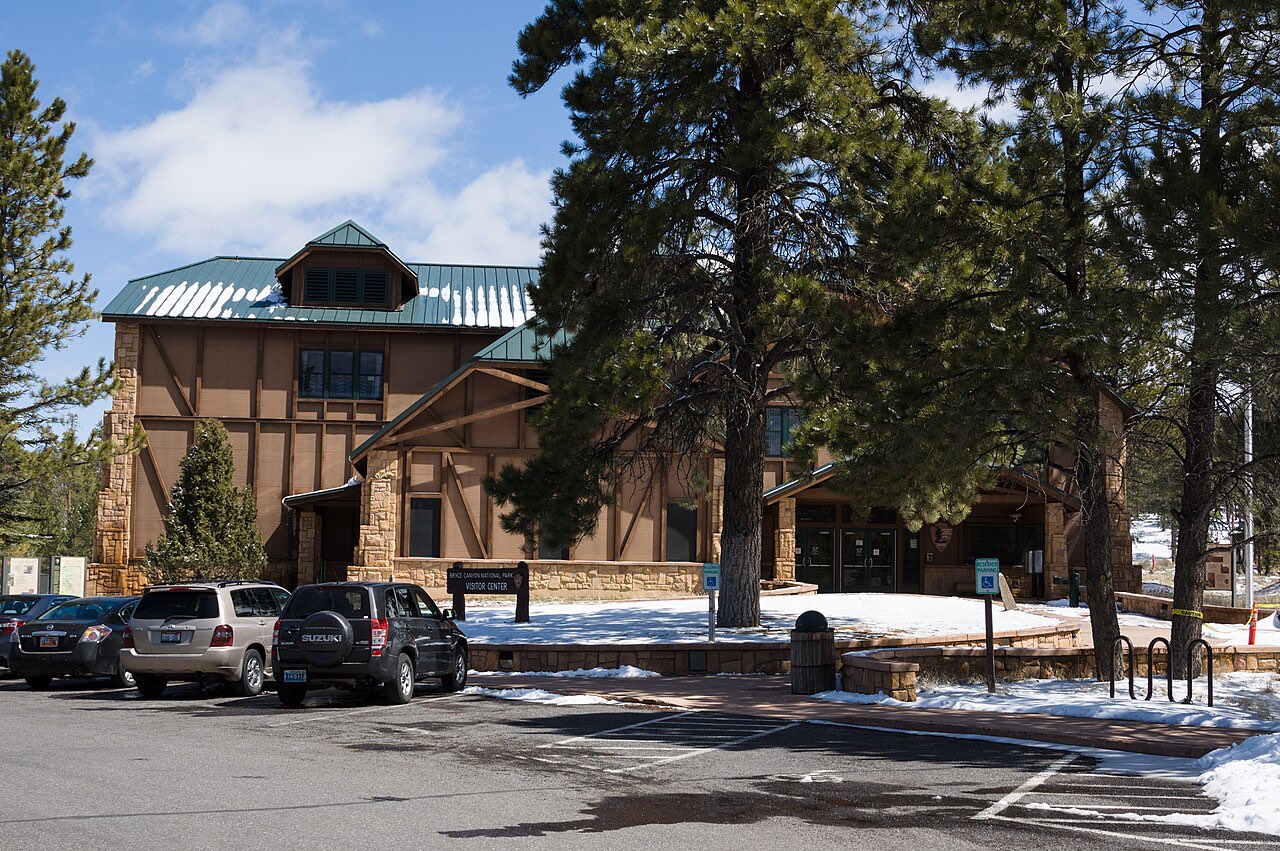
North Campground is the park’s year-round campground, a short walk from the visitor center and the Rim Trail between Sunrise and Sunset Points. It has flush toilets, drinking water, picnic tables, fire rings and grills, paved roads, and the park’s only dump station. Showers and laundry are at the General Store nearby in spring, summer and fall. Loop A stays open all winter; Loop B opened March 25 in 2026; Loops C and D are tent and camper-van loops where “no trailers or RVs are allowed… this includes pop-up tent trailers” and where the regulations bar any vehicle over 20 feet.
The per-site numbers tell you where to look. Recreation.gov lists a maximum vehicle length for each site, which the park’s own notice says is the total driveway length you should compare with your rig plus tow vehicle:
- Loop A: 20 feet (2 sites), 24 (2), 28, 30 (3), 35 (2), 36 (2), 37, 38, 39, 40, 42, 45 (2), 53 (2), 54, 58 (2), 60, 67, 76, 95 and 99 (2). The very long figures are pull-through driveways, not a statement that a 95-foot combination belongs at Bryce.
- Loop B: 18, 20, 22 (2), 24 (2), 25 (4), 30 (3), 34 (2), 38, 40, 43, 48, 66 and 70.
Fifty-one of North’s sites are pull-throughs, which is unusual for a national park and the reason a 35-foot fifth wheel can camp here without unhitching in the dark. One RV per site, plus one tow vehicle or up to two cars; six adults and ten people total; three tents within 20 feet of the fire grate. If your vehicle does not fit the site, the park sends it to the overflow lot near the visitor center, and trailers that do not fit go to the overflow lot at the North Campground entrance. Fifth wheels must put a board under the landing jack. Wheels stay on pavement at all times.
Sunset Campground: closer to the trails, shorter sites, short notice
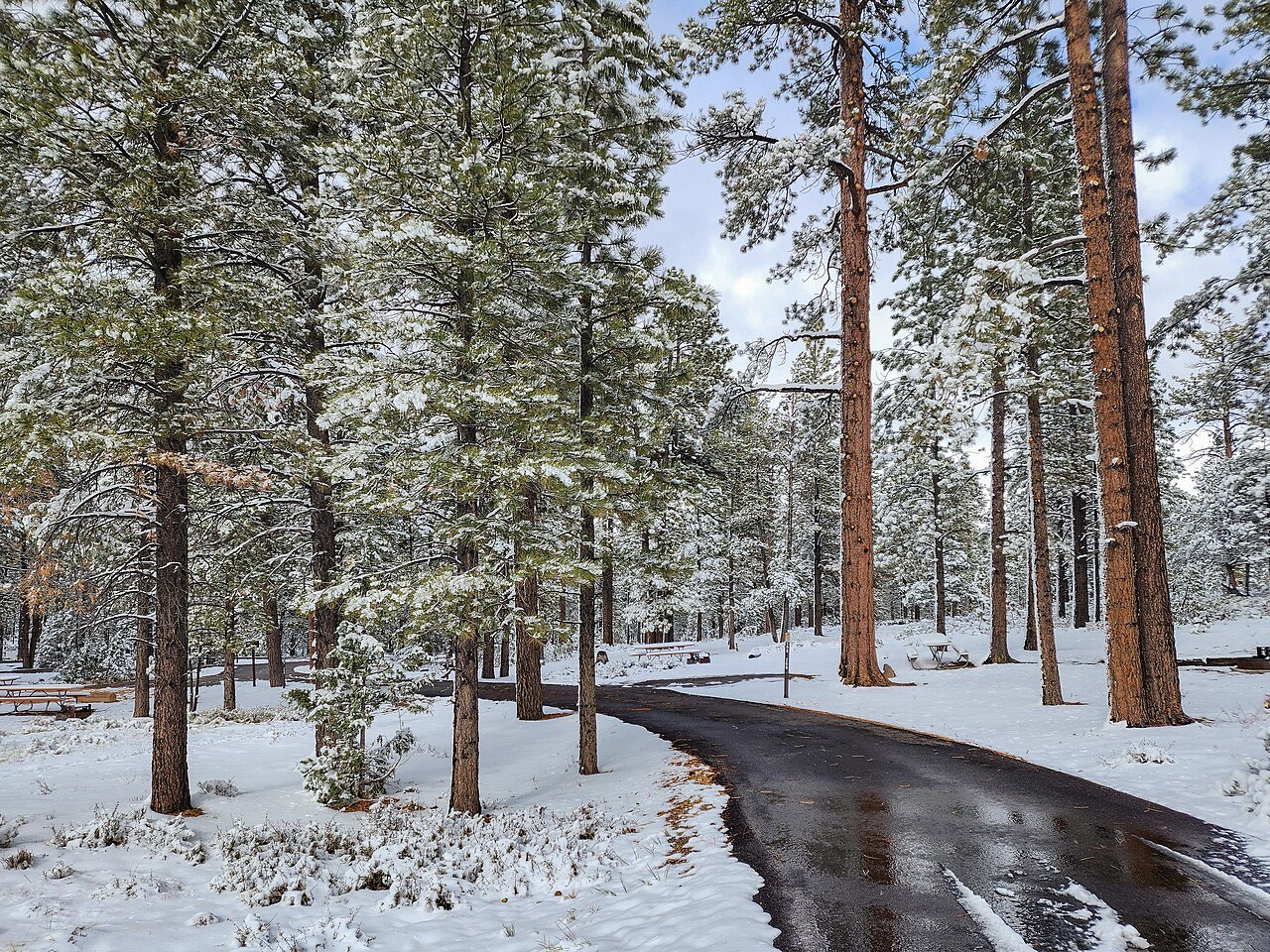
Sunset Campground is 1.5 miles south of the visitor center and the closest campground to the Navajo Loop and Queen’s Garden trailheads at Sunset Point; the shuttle stops at its entrance. It has gravel spurs, flush toilets and water, and uses North’s dump station. RVs and trailers are allowed only in Loop A, whose sites are rated 20 feet (24 sites), 21 to 28 feet (21 sites) and 30 feet (3 sites), with a single pull-through. Loops B and C are tent and camper-van only with the same 20-foot vehicle cap as North’s C and D, and the regulations are explicit that arriving in “any type of small RV or trailer” at a tent site can mean buying another site or losing the reservation.
Sunset closes for winter, October 12 through April 14 in the 2026 schedule, weather permitting, and in 2026 every Sunset season window was bookable only 14 days in advance. That makes it the spontaneous option for a camper van or a short trailer two weeks out, and a poor plan for anything over 30 feet. The group site, up to 30 people on a sliding fee, is a separate booking.
Fees, booking windows and the rules that get enforced
Camping is $30 per site per night for RVs and tents in 2026, 50 percent off with the America the Beautiful Senior or Access pass (the annual, military, volunteer and fourth-grade passes do not discount camping). Entry is separate: $35 per private vehicle for seven days, $30 per motorcycle, $20 per person, or $70 for a Bryce annual pass, and the park does not accept cash. Nonresidents aged 16 and over pay a further $100 each unless they enter on an annual or interagency pass. Our America the Beautiful pass guide for RVers covers the math for a Utah parks loop.
North Campground was bookable up to six months ahead in every 2026 season window, including winter; Sunset only 14 days ahead. Reservations run 24 hours a day on Recreation.gov, and the park notes that “front-country park campgrounds usually fill by noon on weekends May through October,” which with reservation-only loops means: do not drive up on a June Saturday without a booking. Roadside and pull-off camping is prohibited and cited. Check-out is 11:30 a.m. Stay limits are 14 consecutive days and 30 days a year.
Other regulations worth knowing before you set up:
- Quiet hours 10 p.m. to 8 a.m., later than most parks; generators only in the RV loops and only 8 to 10 a.m. and 6 to 8 p.m.
- Dark Sky Park: no string lights or large solar lanterns at the site.
- Gray and black water go in the dump station or outside the park, nowhere else; portable showers and toilets are prohibited.
- Food in a vehicle or hard-sided lockable container; dishes washed in the service sink, not at the spigots.
- Hammocks cannot hang from trees anywhere in the park; gathering wood, pinecones or needles is prohibited.
- Altitude: both campgrounds are at about 8,000 feet, and the park warns about altitude sickness. Furnace use at night is normal in June.
The 23-foot rule and how to see the park from camp
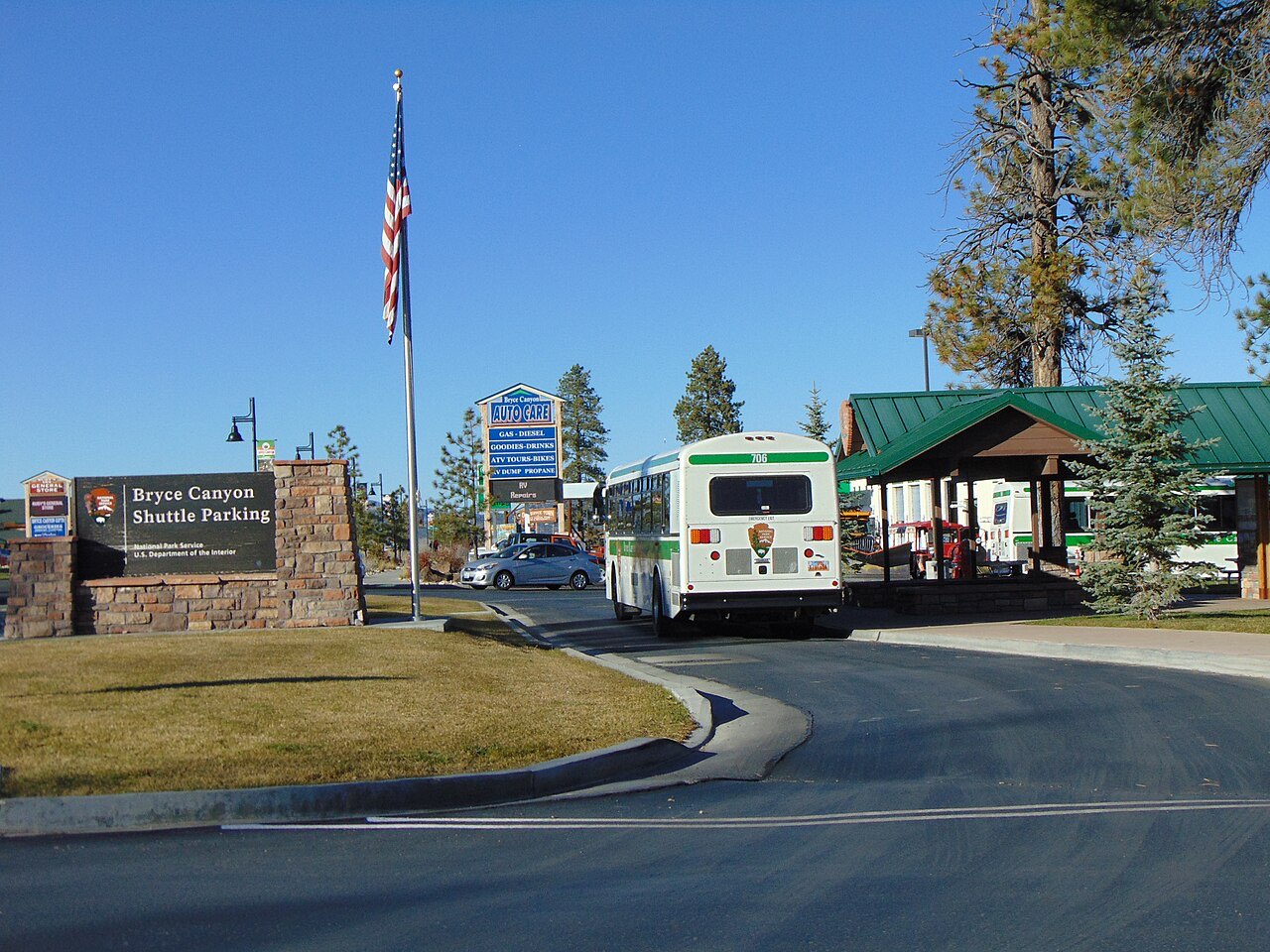
Bryce’s main road is open to any size vehicle. The restriction is parking. According to the park’s shuttle page, during shuttle hours, which in 2026 meant April 3 to May 8 and September 21 to October 18 from 8 a.m. to 6 p.m., and May 9 to September 20 from 8 a.m. to 8 p.m., vehicles 23 feet or longer cannot park at the visitor center’s one-hour lot, Sunrise Point, Bryce Canyon Lodge, Sunset Point, Inspiration Point or Bryce Point. Paria View is closed to oversize vehicles at all hours because of its small lot. Where a 23-footer can park: the Shuttle Station lot in Bryce Canyon City (Stop 1, free all day, pay your entrance fee before boarding), the Additional Parking Lot across from the visitor center (Stop 6), or your own campsite.
The shuttle is free with your entrance pass, serves the amphitheater viewpoints and both campgrounds, and the park calls it “the most predictable way” to visit Bryce, Inspiration, Sunset and Sunrise Points. If you are camped at North or Sunset, walk to the stop and leave the rig where it is.
South of Bryce Point the picture changes. The Southern Scenic Drive to Rainbow Point, 18 miles of viewpoints, has no shuttle, and the park’s parking page says “all vehicles, including oversized vehicles over 23 feet” may drive it and park at every viewpoint, with marked oversize spaces at Swamp Canyon (3), Natural Bridge (9), Agua Canyon (4) and Rainbow Point (4). In the amphitheater, outside shuttle hours, there are oversize spaces at Inspiration Point (7), Sunset Point (7), Bryce Point (3), Fairyland Point (3) and Sunrise Point (3). In winter the main road may close at mile 3, just past the amphitheater, for a day or more after a storm; the amphitheater is plowed first. The three-hour Rainbow Point bus tour was not offered in 2026.
Ruby’s Inn RV Park: the hookups outside the gate
Bryce Canyon City, the cluster of services at the park turnoff on UT-63, is built around Ruby’s Inn, and its RV Park and Campground is the obvious answer for anyone who needs power or does not fit a park loop. Per the operator’s page, read October 2026: more than 240 sites under ponderosa pines, full-hookup RV sites and tent sites, large pull-throughs for big rigs, group sites, cabins and tipis; restrooms and hot showers near every site, a pool, store, laundromat and Wi-Fi included; open April 1 through October 30; about half a mile from the park entrance; and the park shuttle stops on the property. The page we read did not publish nightly rates, the 30-versus-50-amp split or a maximum rig length, and third-party listings disagree on all three, so get the current figures from rubysinn.com when you book. Entrance passes are also sold at the Shuttle Station, Ruby’s Inn and Ruby’s campground before you board.
Dispersed camping in the Dixie National Forest and the private campgrounds along UT-12 toward Tropic are the other fallbacks the park itself lists when its loops are full. For how to size a generator-free week at 8,000 feet, our sister site’s RV solar basics and how to level an RV on a gravel Sunset spur are the two most relevant reads.
Getting there: routes, distances, and the Red Canyon tunnels
The park’s directions page gives two main approaches. From the north: I-15 to UT-20 (exit 95), east to US-89, south to UT-12, east to UT-63, south one mile to the visitor center. From the south via Zion: I-15 to UT-9 (exit 16), east through Zion to US-89, north to UT-12. Las Vegas and Salt Lake City are each about 270 miles; Cedar City 80 and St. George 125. There is no public transport to the park, and the roads are plowed year-round with temporary closures in storms.
The Zion route has a catch that is not Bryce’s: the Zion–Mt. Carmel Tunnel on UT-9 has size limits that changed in June 2026, and a rig that cannot clear it must go around via UT-20 or UT-14. Our Zion RV length limits guide has the current NPS figures.
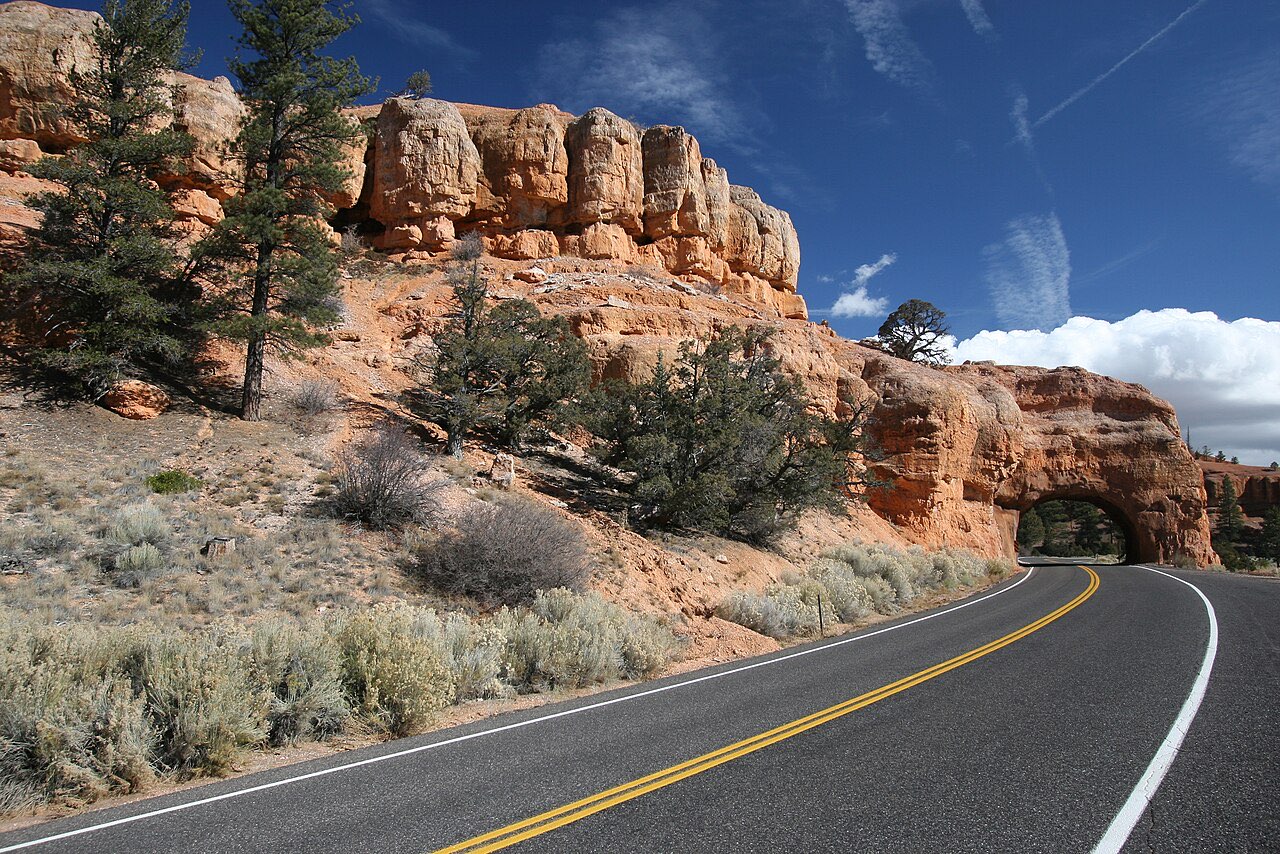
Both approaches put you on UT-12 through Red Canyon, where the highway passes through two short rock arch tunnels cut through fins of red limestone. UDOT describes them as historic 100-year-old structures (V-55 and V-56) that it now monitors with lasers and drones for cracks and movement. What we could not find on any Utah DOT or Forest Service page we could reach in October 2026 is a published vertical clearance. RV forum posts consistently report a posted 13 feet 6 inches, measured at the edge of the arch with a little more room at the crown, and describe waiting for a gap in traffic to drive the center of the road. We are presenting that as unverified: if your rig is over 13 feet, measure it with the air conditioner, and get the current clearance from UDOT’s Motor Carrier Division before you commit. The arches sit on the western end of UT-12, between US-89 and the UT-63 turnoff, so every approach from I-15, Zion or US-89 passes through them. The only way to reach Bryce without doing so is to enter UT-12 from the east, through Tropic, which means coming from UT-24 at Torrey over Boulder Mountain and through Escalante, a long, high and in places steep drive.
Who should camp where
- Fifth wheel or motorhome over 30 feet: North Loop A, booked the day the six-month window opens; Ruby’s Inn as the backup with power.
- Trailer or Class C of 25 to 30 feet: North Loop A or B; Sunset Loop A’s three 30-foot sites if you can book two weeks out.
- Camper van or truck camper under 20 feet: any loop, including the tent loops; Sunset B or C puts you nearest the trails.
- Winter: North Loop A only, with the dump station closed and the main road liable to close at mile 3; carry water and plan to dump in Panguitch or Kanab.
Mistakes to avoid
- Booking a North C/D or Sunset B/C site with a pop-up or small trailer. The park bans all trailers and RVs there and will move or cancel you.
- Reading a 95-foot “max vehicle length” as an invitation. It is a pull-through driveway length; the site still holds one RV and one tow vehicle.
- Driving a 30-footer to Sunset Point at 10 a.m. in July. Oversize parking is prohibited there during shuttle hours; park at the Shuttle Station and ride.
- Arriving in May with full tanks and no plan to dump. The dump station opens around mid-May “weather depending,” not on a fixed date.
- Assuming Red Canyon is 13 feet 6 inches because a forum said so. Verify with UDOT if you are anywhere close.
- Running the generator at 7 a.m. to make coffee. Quiet hours end at 8, and generators are limited to 8–10 a.m. and 6–8 p.m.
For the other Utah parks on the same loop, see Arches and Moab RV camping and Canyonlands and Capitol Reef RV camping, and for the single-table comparison of every park’s limits, national park RV size limits. Bryce has no hookups at all, which puts it in the majority; the exceptions are listed in national park campgrounds with hookups.
Frequently asked questions
Which Bryce Canyon campground loops allow RVs?
Loops A and B of North Campground and Loop A of Sunset Campground, as of October 2026. Loops C and D at North and B and C at Sunset are for tents and small camper vans only; the park bans any trailer or RV there, including pop-ups, and does not permit vehicles over 20 feet. North Loop A has the longest driveways, with many sites rated 40 feet or more; Sunset Loop A sites are 20 to 30 feet.
Are there hookups or a dump station at Bryce Canyon?
No hookups at any site. There is a free dump station for registered campers on the south side of North Campground, open roughly mid-May through mid-October depending on weather, with potable water throughout both campgrounds. Showers and laundry are at the General Store near North Campground in spring, summer and fall. The nearest full hookups are at Ruby's Inn RV Park, half a mile outside the entrance, open April 1 to October 30.
How much does camping cost at Bryce Canyon and how far ahead can you book?
$30 per site per night for RVs or tents in 2026, half price with a Senior or Access pass. North Campground is reservation-only year-round and opens six months ahead on Recreation.gov. Sunset Campground, open roughly mid-April to mid-October, could be booked only 14 days ahead in 2026. The park says front-country campgrounds usually fill by noon on weekends from May through October.
Can an RV over 23 feet drive Bryce Canyon's main road?
Yes. Driving is not restricted, but during shuttle season (April 3 to October 18 in 2026) vehicles 23 feet and longer may not park at the visitor center one-hour lot, Sunrise Point, Sunset Point, Inspiration Point, Bryce Point or Bryce Canyon Lodge, and Paria View is closed to oversize vehicles at all times. South of Bryce Point, the Southern Scenic Drive to Rainbow Point is open to all vehicles with marked oversize spaces at Swamp Canyon, Natural Bridge, Agua Canyon and Rainbow Point.
How tall are the Red Canyon tunnels on Highway 12?
We could not find an official posted clearance for the two rock arches UDOT monitors on UT-12 between US-89 and the park turnoff. RV forum reports put the signed height at 13 feet 6 inches at the edges with more room at the arch's center, which leaves very little margin for a tall fifth wheel. Measure your rig and check UDOT's current clearance information; the only approach that avoids the arches is UT-12 from the east through Tropic and Escalante.
Keep planning
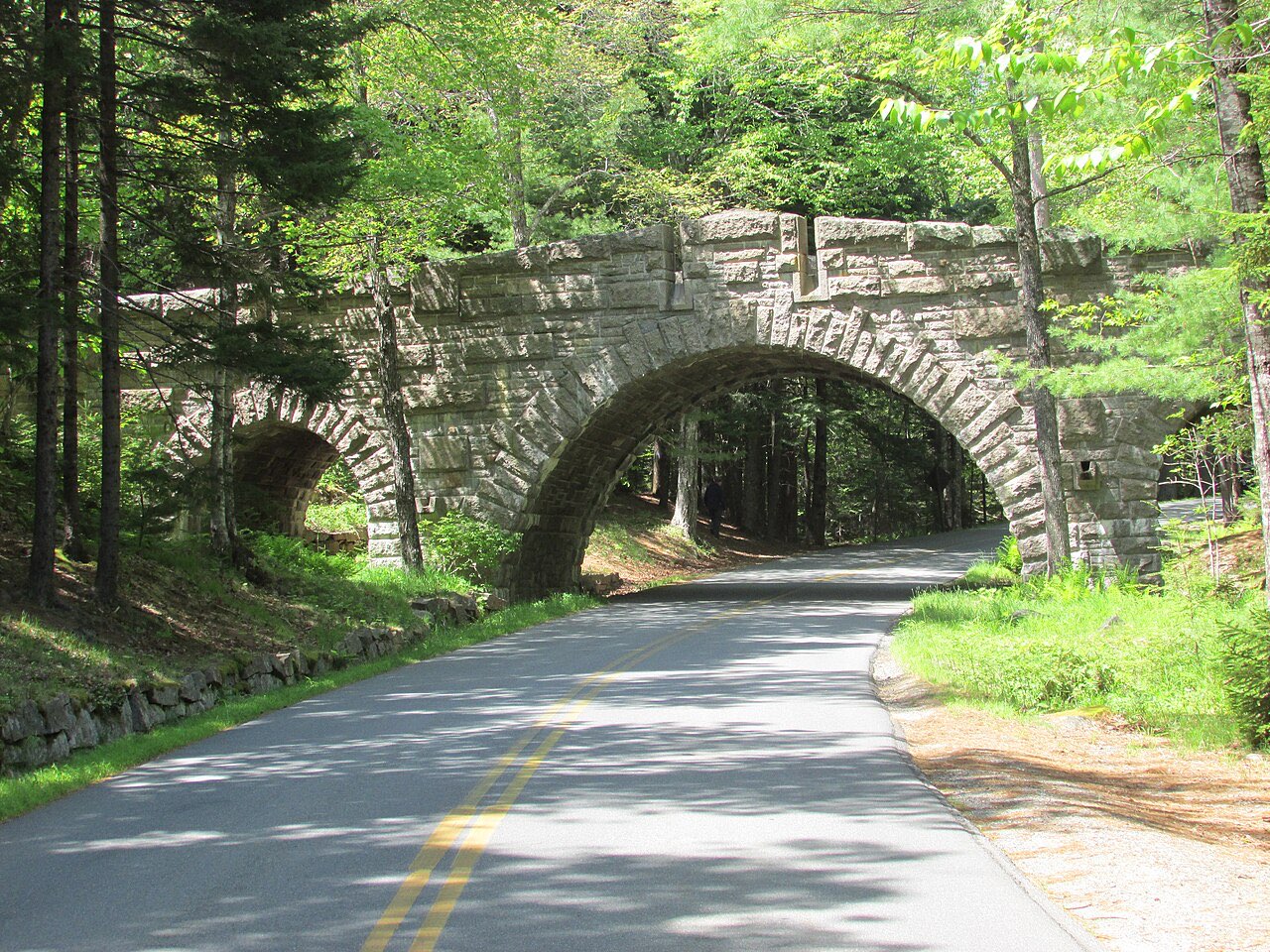
- Acadia RV Camping Including Schoodic Woods
Acadia RV camping: Blackwoods and Seawall's 35-foot sites, Schoodic Woods' electric loop for rigs to 70 feet, Park Loop Road bridge heights and the Cadillac rule.
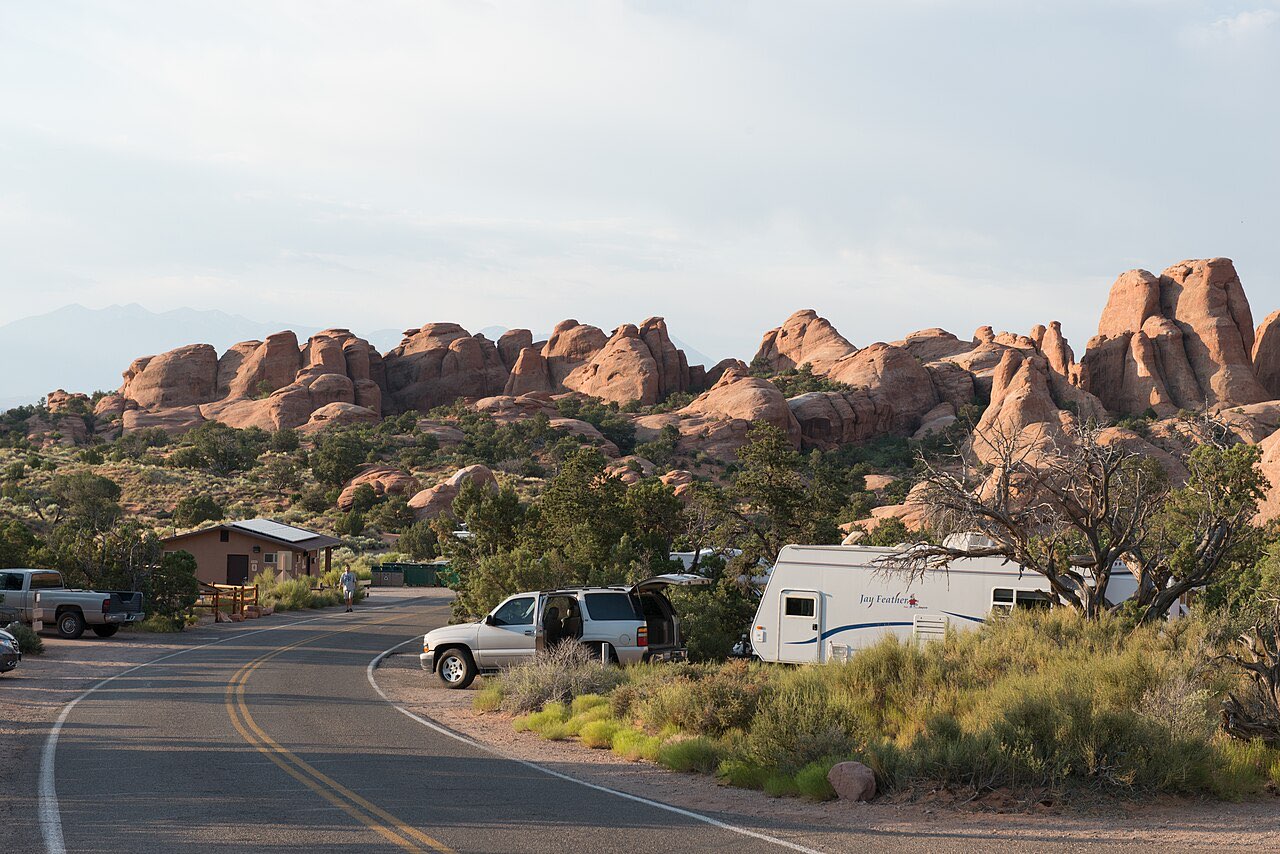
Updated Oct 2026 - Arches and Moab RV Camping: Where Rigs Actually Fit
Arches and Moab RV camping: Devils Garden's per-site limits up to 40 feet, no timed entry in 2026, $20 BLM campgrounds, Dead Horse Point hookups and where to dump.
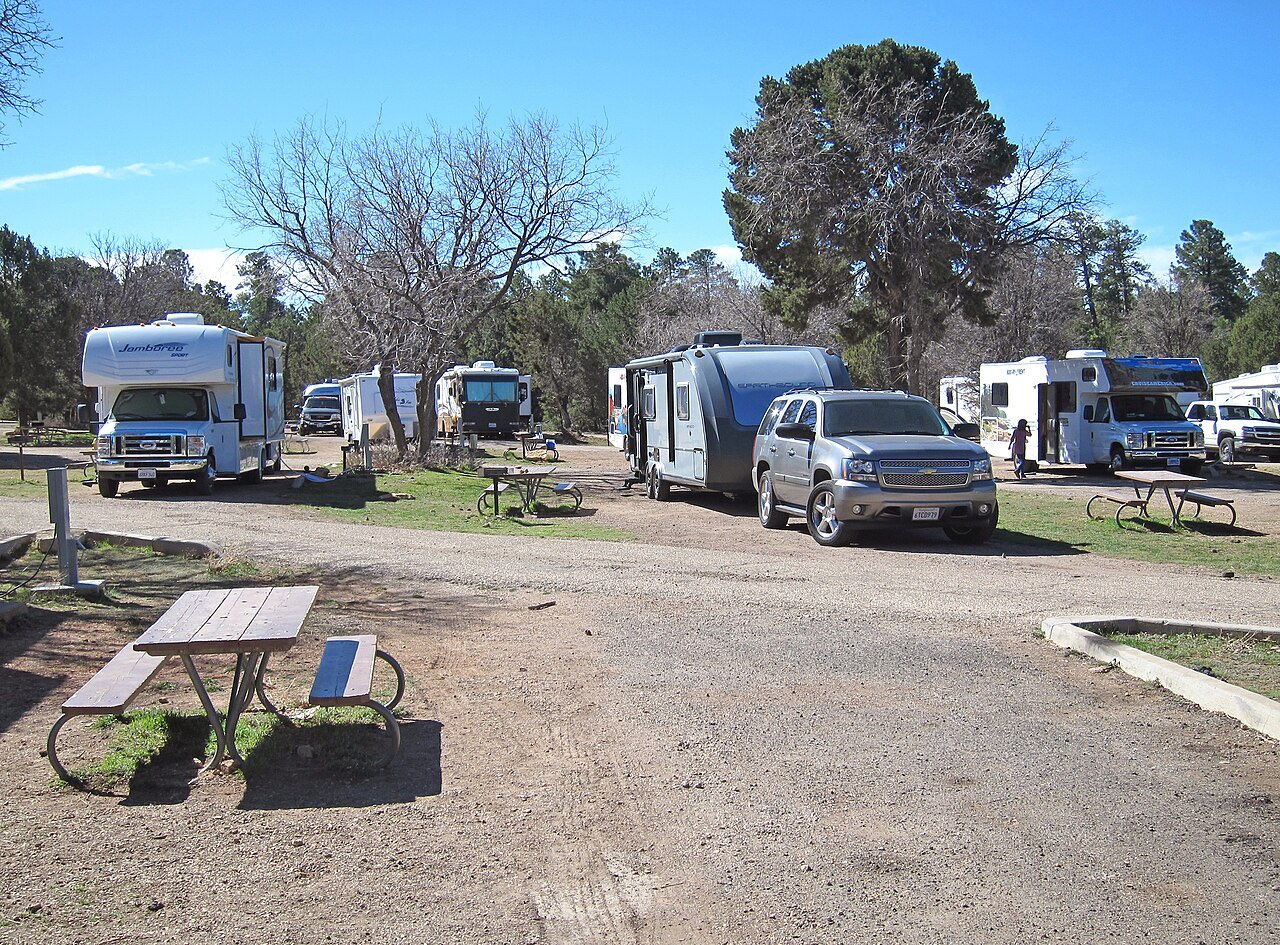
Updated Oct 2026 - Grand Canyon South Rim RV Camping and Trailer Village
Grand Canyon South Rim RV camping: Mather's 30-foot limit, Trailer Village hookups and rates, Desert View's size rules, the dump station and RV parking.
Updated Oct 2026