Padre Island National Seashore RV Camping and Beach Driving

In this guide
Padre Island National Seashore is one of the few national park units where you can legally camp on the beach for no camping fee at all, but a big RV belongs in one of its two campgrounds, not on the sand. The National Park Service says large two-wheel-drive RVs are not recommended for beach driving, and limits all 2WD vehicles to North Beach and the first five miles of South Beach. For RVs it points to Malaquite Campground ($14 a night, by the Gulf) and Bird Island Basin ($8, on the Laguna Madre). Neither has hookups, neither takes reservations, and there is one dump station for the whole park.
Figures here are from the NPS camping page, fees page, driving down island page and alerts, plus Recreation.gov’s campground descriptions, read October 29, 2026.
Where an RV can camp
| Option | Where | Nightly fee | Surface | RV fit |
|---|---|---|---|---|
| Malaquite Campground | Gulf side, 3.2 mi south of the entrance station | $14 ($7 Senior/Access) | Paved and gravel sites between the dunes | Recommended by NPS for RVs |
| Bird Island Basin | Laguna Madre side, 0.8 mi south of the entrance, then 1.4 mi west | $8 ($4 Senior/Access) | Gravel, side by side | Recommended by NPS for RVs; 35 RV-or-tent sites |
| North Beach | North of the main park road | Included with 7-day or annual pass | Sand; 2WD allowed | Small rigs only, conditions permitting |
| South Beach, MM 0 to 5 | South of the end of the pavement | Included | Sand; 2WD allowed | Small rigs only, conditions permitting |
| South Beach past MM 5, Yarborough Pass | Down island | Included | Sand; 4WD recommended | Not for RVs |
On top of any camping fee, every overnight camper needs a 7-day ($25 per vehicle) or annual entrance pass. The $10 one-day pass expires at midnight and is not valid for camping. America the Beautiful passes are honored; see our pass guide for RVers.
Malaquite Campground
Malaquite sits on the Gulf of America side, about half a mile north of the Malaquite Visitor Center, with beach access between the dunes. Recreation.gov describes designated paved and gravel sites, restrooms with cold water showers, picnic tables, and on some sites grills and shade structures. A camper with a paid site can pitch a tent on the site or on the beach in front of the campground (Malaquite Beach itself is otherwise closed to camping).
There are no hookups. The park’s only RV dump station and freshwater fill station stand next to the Malaquite entrance and are open to every park visitor, not just campers. The NPS does not publish a maximum RV length or site count on the pages we could read, so if you are over about 35 feet, look over the loop before you pay. Our national park dump stations guide covers etiquette at shared stations like this one.
Bird Island Basin
Bird Island Basin is on the calm, shallow Laguna Madre, a well-known windsurfing and kayaking spot, and it doubles as a day-use area. Recreation.gov lists 35 RV-and-tent sites and 10 tent-only sites, all side by side on gravel, with vault toilets at the north and south ends and no showers. At $8 a night it is the cheaper of the park’s two campgrounds. Boaters launching at the ramp pay a separate $5 day or $30 annual ramp fee.
Both campgrounds are first come, first served with a self-issued permit: fill it out at the kiosk at the entrance, pay, and display it. Our roundup of first-come, first-served RV campgrounds in national parks has tips for arriving early.

Beach driving rules
The beach is part of the road system here. The NPS reminds drivers that Texas beaches are public highways: traffic laws and seat belt rules apply, and every vehicle needs highway registration and plates. Texas OHV plates do not count, and ATVs, UTVs, golf carts and dune buggies are banned.
| Rule | What the NPS says |
|---|---|
| 2WD vehicles | North Beach, and South Beach from mile marker 0 to 5 only |
| Large 2WD RVs | “Not recommended” on the beach; use the campgrounds |
| Past MM 5 | 4WD recommended; conditions change with weather and tides |
| Speed, MM 0 to 2.5 | 15 mph all year |
| Speed, MM 2.5 to 60 | 15 mph March 1 to Labor Day; 25 mph from the day after Labor Day through February |
| Right of way | Northbound traffic |
| Where not to drive | Behind or on dunes, on vegetation, tidal flats or wetlands |
| Parking or camping | Keep the main driving lane clear |
| Towing | The park does not tow private vehicles |
That last line is the one that should keep a motorhome off the sand. The NPS says a private tow from down island can cost several hundred to several thousand dollars, and cell service is unreliable; it suggests climbing a dune to get a signal. Its recommended kit for anyone heading down island: a full first aid kit, shovels, traction boards and tow straps, a spare and jack, jumper cables, extra food and water, and a full tank of gas. There is no gas in the park.
If you have a truck camper or a capable 4x4 tow vehicle, the sensible plan is to leave the trailer at Malaquite and drive the beach in the tow vehicle by day. Our sister site’s boondocking for beginners guide covers the water and power side of a self-contained beach night in a small rig.

The tide rule
This part of the Gulf usually has one high and one low tide a day, with a range of only 1 to 3 feet, but on a flat beach that is enough to matter. The NPS warns that a predicted high tide of 1.5 feet or greater can reach the dunes and cover the beach completely in places, and recommends not camping or driving on the beach at higher tides. Wind and storms push water higher still.
On September 30, 2026 the park posted an alert for October: several days of tides over 2.0 feet, including 2.6-foot tides at the end of the month. Check NOAA’s tide predictions for the dates you will be on the sand, and treat anything at or above 1.5 feet as a reason to stay in the campground.

Stay limits and supplies
The NPS stay limit is 14 consecutive nights. Once you reach 14 nights, consecutive or spread out, you must leave the park for at least 14 nights, and nobody may camp more than 28 nights in a calendar year. Primitive beach camping can close temporarily during coastal flooding.
The park sells no firewood, fishing licenses or fuel and has no mail service; the NPS says those are about 13 miles north of the park. The Park Store in the visitor center sells ice, snacks, sunscreen and bug spray from 9 a.m. to 5 p.m. Small campfires are allowed on beaches where camping is allowed, away from the dunes, with no nail-studded wood, and must be put out with water rather than buried. The park also posts a canine distemper caution: vaccinate pets or leave them home.
To get there, cross the JFK Causeway from Corpus Christi; Highway 358 becomes Park Road 22, and the entrance station is about 10 miles farther south.
When to go
Fall through spring is the comfortable season, and it is also when the speed limit past mile 2.5 rises to 25 mph. Summer brings heat, humidity and the April to August sea turtle nesting season, when drivers must watch for turtles day and night and report any sighting (1-866-TURTLE-5). Late summer and fall storms can flood the beach and close primitive camping, so check the park alerts before you go. For more Texas camping with real desert heat, see Big Bend RV camping, and for other parks where you must bring your own power, our list of national park campgrounds with hookups shows the alternatives.
Mistakes to avoid
- Taking a big 2WD motorhome past mile 5. The NPS does not recommend it, and it will not tow you out.
- Buying a one-day pass for an overnight. Only the 7-day or annual pass is valid for camping.
- Ignoring a 1.5-foot tide forecast. It can put water at the dunes.
- Arriving on empty. There is no fuel in the park.
- Planning on a reservation. None are taken; arrive early on holiday weekends.
- Driving on dunes or vegetation. It is prohibited and damages the island.
Gear that helps on this trip
As an Amazon Associate we earn from qualifying purchases.
 Reliance Aqua-Tainer 7-gallon water container: the only fill station is at Malaquite, and beach and Bird Island Basin sites have no water.
 Camco Rhino 21-gallon portable tote tank: carry gray water to the Malaquite dump station without breaking camp.$209.99Price as of November 16, 2026, 9:59 AM ET. Prices and availability are accurate as of the date/time indicated and are subject to change.
- VTOMAN Jump 600X portable power station: there are no hookups anywhere in the park.
 RV windshield sunshade reflector: shade structures are few and the Texas sun is strong for most of the year.$94.60Price as of November 16, 2026, 9:59 AM ET. Prices and availability are accurate as of the date/time indicated and are subject to change.
Fees, driving rules and alerts in this guide were read from NPS and Recreation.gov pages on October 29, 2026. Check the tide forecast and park alerts before you drive onto the beach.
Frequently asked questions
Can you drive an RV on the beach at Padre Island National Seashore?
Two-wheel-drive vehicles are allowed only on North Beach and on South Beach from mile marker 0 to 5, and the NPS says large 2WD RVs are not recommended on the beach at all; it points RVs and camp trailers to Malaquite and Bird Island Basin campgrounds. Past mile 5, four-wheel drive is recommended, and the park does not tow private vehicles.
Are there RV hookups at Padre Island National Seashore?
No. The NPS says there are no electric or water hookups anywhere in the park. An RV dump station and freshwater fill station next to the Malaquite Campground entrance are open to all park visitors.
How much does it cost to camp at Padre Island?
Malaquite Campground is $14 a night and Bird Island Basin is $8, half price with a Senior or Access pass. Camping on North Beach, South Beach or at Yarborough Pass carries no camping fee. Every camper also needs the $25 seven-day vehicle pass or an annual pass; the $10 one-day pass is not valid overnight.
Can you reserve a campsite at Padre Island National Seashore?
No. All camping in the park, including both developed campgrounds, is first come, first served. You fill out a self-issued permit and pay at the kiosk at the campground entrance.
How long can you camp at Padre Island?
Up to 14 consecutive nights. After 14 nights, consecutive or not, you must leave the park for at least 14 nights, and no one may camp more than 28 nights in a calendar year.
What tide is too high to drive or camp on the Padre Island beach?
The NPS says a predicted high tide of 1.5 feet or more can reach the dunes and cover the beach in places, and it advises against camping or driving on the beach at higher tides. In October 2026 the park warned of several days of tides over 2 feet, including 2.6 feet at month's end.
Keep planning
- Acadia RV Camping Including Schoodic Woods
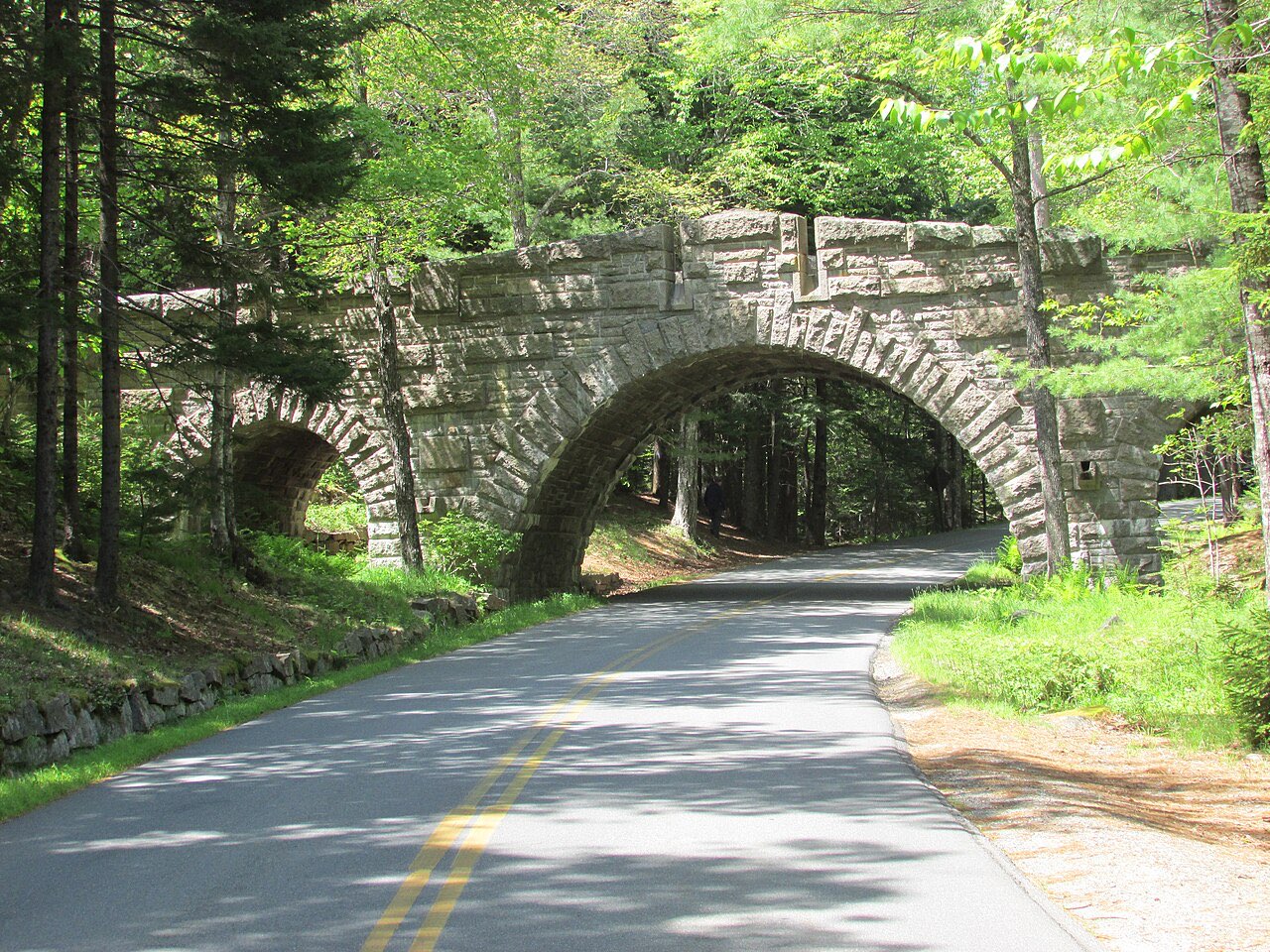
Acadia RV camping: Blackwoods and Seawall's 35-foot sites, Schoodic Woods' electric loop for rigs to 70 feet, Park Loop Road bridge heights and the Cadillac rule.
Updated Oct 2026 - Arches and Moab RV Camping: Where Rigs Actually Fit
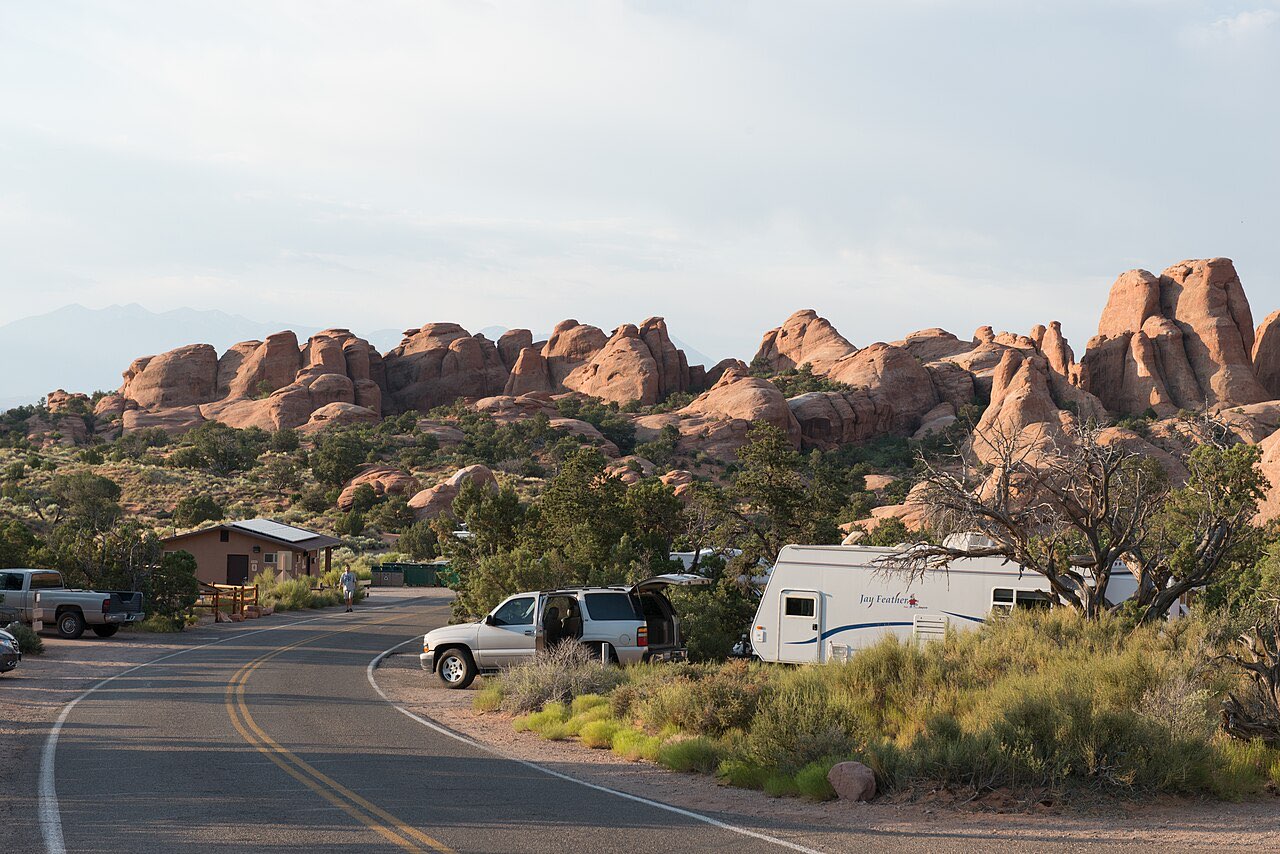
Arches and Moab RV camping: Devils Garden's per-site limits up to 40 feet, no timed entry in 2026, $20 BLM campgrounds, Dead Horse Point hookups and where to dump.
Updated Oct 2026 - Assateague Island RV Camping: National vs State Park
Assateague Island RV camping: NPS Oceanside and Bayside sites vs the state park's 30-amp loops, the Virginia side's no-camping rule, fees and OSV closures.
Updated Oct 2026